
The Anti-Inflammatory Diet: Foods That Heal, Foods That Harm
Chronic inflammation is the hidden driver behind most modern disease. Your daily food choices are the most powerful tool you have for switching it off.
The Anti-Inflammatory Diet: Foods That Heal, Foods That Harm
Inflammation is your immune system's natural response to injury or infection — and in its acute, short-term form, it is lifesaving. The problem arises when inflammation becomes chronic and systemic, smouldering quietly in the body for years, contributing to heart disease, diabetes, autoimmune conditions, mental health disorders, and cancer.
The good news? Your diet is your most direct line of communication with your inflammatory pathways.
Foods That Fan the Flames
Before we talk about what heals, it's worth being clear about what harms:
- Refined sugar and high-fructose corn syrup: Trigger inflammatory cytokines and spike insulin.
- Ultra-processed foods: Contain seed oils, emulsifiers, and artificial additives that dysregulate the gut microbiome and trigger low-grade inflammation.
- Refined carbohydrates: White bread, pasta, pastries — rapidly converted to sugar, driving insulin resistance.
- Industrial seed oils (sunflower, soybean, corn oil): Extremely high in omega-6 fatty acids, which in excess shift the body toward an inflammatory state.
- Alcohol: Disrupts gut integrity and promotes systemic inflammation.
- Trans fats: Found in some margarines and processed foods. Directly pro-inflammatory.
Foods That Calm and Heal
Omega-3 Fatty Acids
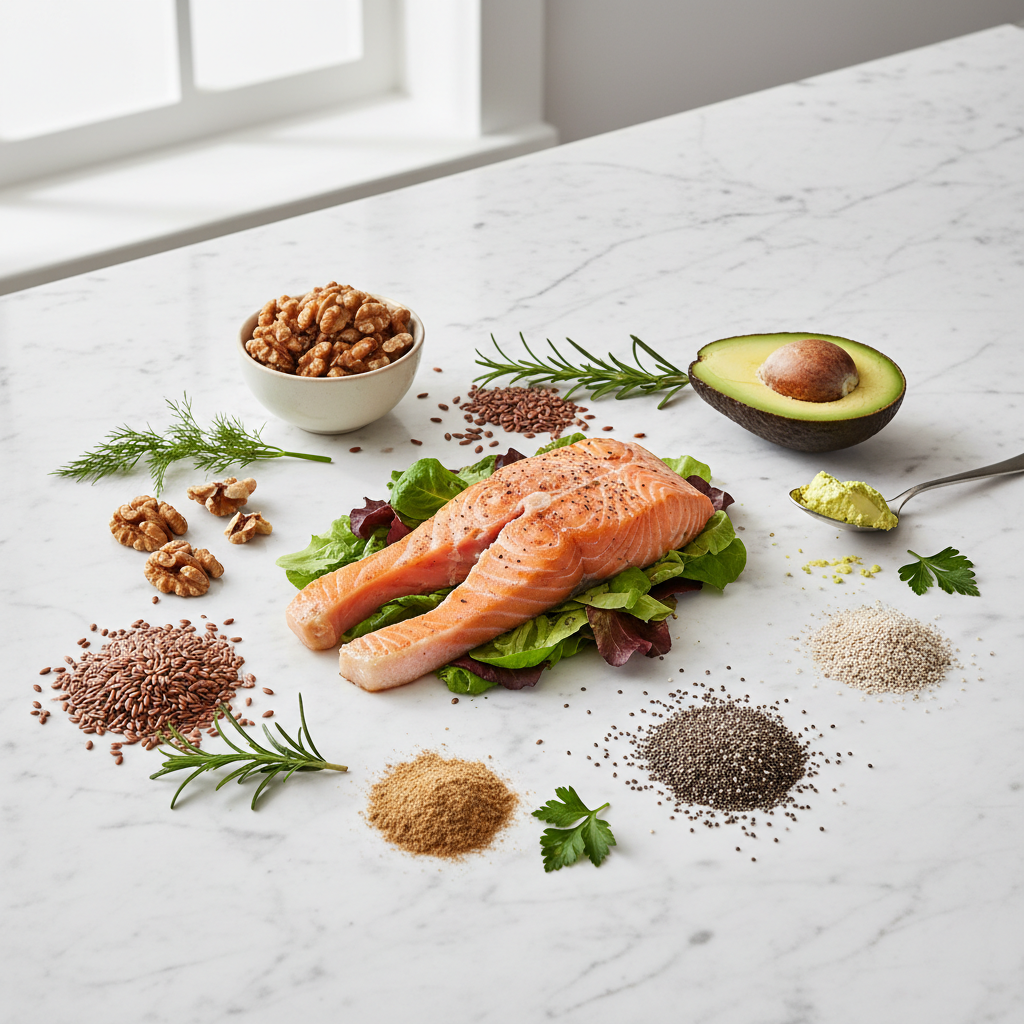
The most powerful dietary tool against inflammation. Found in oily fish (salmon, mackerel, sardines, anchovies), walnuts, flaxseed, chia seeds, and hemp seeds. Aim for fatty fish at least 2–3 times per week.
Turmeric and Black Pepper
Curcumin, the active compound in turmeric, has been shown in hundreds of studies to inhibit inflammatory pathways at a molecular level. Crucially, it is poorly absorbed alone — always combine with black pepper (piperine), which increases absorption by up to 2,000%.
Dark Leafy Greens
Spinach, kale, Swiss chard, and rocket are rich in vitamin K, which regulates inflammatory responses, and magnesium, deficiency of which is strongly correlated with elevated inflammation.
Berries
Blueberries, blackberries, raspberries, and strawberries are densely packed with anthocyanins — flavonoids with potent anti-inflammatory and neuroprotective effects. Aim for a large handful daily.
Extra Virgin Olive Oil
The cornerstone of the Mediterranean diet, EVOO contains oleocanthal — a compound that works via the same mechanism as ibuprofen, inhibiting the COX-1 and COX-2 inflammatory enzymes. Use generously in cooking and dressings.
Fermented Foods
Kefir, kimchi, sauerkraut, natural yoghurt, and miso strengthen the gut microbiome, which regulates systemic inflammation. Research published in Cell (2021) showed that a high-fermented-food diet significantly reduced 19 inflammatory markers in humans.
Green Tea
Rich in EGCG, a catechin with documented anti-inflammatory and antioxidant effects. Replace one or two cups of coffee daily with matcha or high-quality green tea.
The Mediterranean Blueprint
The most rigorously studied anti-inflammatory dietary pattern is the Mediterranean diet: abundant vegetables, legumes, whole grains, nuts, seeds, olive oil, fish, and moderate red wine. In multiple large trials, it reduces cardiovascular events, cognitive decline, and depression.
You don't need to adopt a strict protocol. Begin by adding one healing food per day and removing one harmful food per week. Over three months, your inflammatory markers — and your energy, skin, mood, and sleep — will reflect the shift.